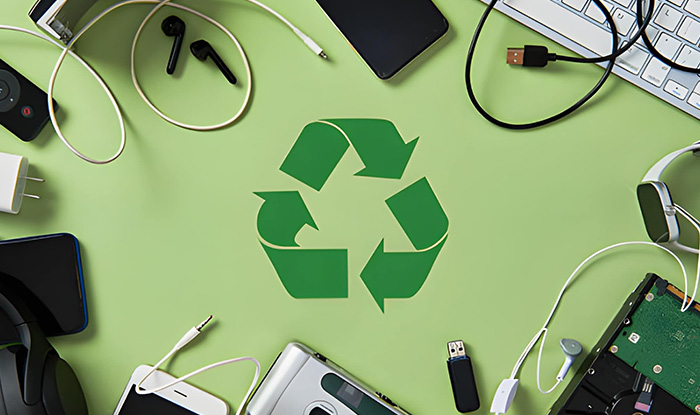
Businesses depend on technology to communicate, manage information and deliver services, but regular equipment upgrades can create significant environmental challenges. Computers, servers, networking devices and other IT assets contain materials that require resources to manufacture and specialist processes to recover. When these products become unwanted, disposing of them can affect both waste generation and resource consumption. Sustainable IT equipment recycling offers organisations an opportunity to manage obsolete technology more responsibly. Businesses considering specialist electronic waste solutions, including providers such as Zero Tech Waste, can incorporate recycling into a wider strategy focused on resource efficiency, equipment lifecycle management and environmental improvement.
The Environmental Challenges of IT Equipment
Modern IT equipment contains a complex combination of metals, plastics, circuit boards, batteries and electronic components.
Producing these materials can involve mining, refining, manufacturing and transportation, all of which require energy and resources.
When electronic devices are discarded prematurely, the materials and manufacturing resources invested in them may be underused.
Sustainable IT management therefore begins with understanding that technology’s environmental impact extends beyond the electricity devices consume while operating.
What Sustainable IT Recycling Involves
IT recycling involves processing unwanted electronic equipment to recover materials for reuse.
The process varies according to the equipment involved. Devices may require assessment, dismantling, component separation, and treatment at specialist recycling facilities.
Suitable materials can then be directed towards further recovery processes.
Sustainable recycling also involves managing hazardous components appropriately and avoiding disposal routes that create unnecessary environmental risks.
Reducing Demand for Virgin Materials
Electronic devices contain metals and other materials that suitable recycling processes can recover.
Recovering these resources can reduce demand for some newly extracted raw materials, though the benefit depends on the material and recycling method.
This matters because manufacturing electronic products involves complex supply chains and substantial material inputs.
By supporting responsible recovery, businesses can use resources already in existing equipment more efficiently.
Why Reuse Should Come Before Recycling
Recycling matters, but it isn’t always the most environmentally beneficial option for functioning equipment.
A laptop that can be repaired or refurbished may continue providing useful service without requiring the immediate manufacture of a replacement.
Extending equipment life can reduce waste generation and help make better use of the resources already invested in a product.
Businesses should therefore consider reuse, repair and refurbishment before sending suitable devices for material recycling.
However, decisions should also account for energy efficiency, security requirements, and the equipment’s practical condition.
Preventing Unnecessary Waste
Poor technology management can lead to devices being replaced before they reach the end of their practical service life.
This may occur because of inconsistent maintenance, purchasing decisions or a lack of internal processes for redeploying equipment.
A more sustainable approach involves monitoring asset condition and evaluating whether upgrades are necessary.
When replacement is justified, businesses can plan for outgoing equipment rather than letting devices accumulate or enter unsuitable waste streams.
Managing Hazardous Components
Some electronic products contain substances or components that require controlled handling.
Batteries, certain displays and other electronic assemblies may present environmental or safety risks if damaged or processed incorrectly.
Responsible recycling involves identifying relevant materials and directing them towards suitable treatment processes.
Businesses should ensure that appropriately authorised organisations handle electronic waste and that they follow applicable waste requirements.
The Role of the Circular Economy
The circular economy aims to keep products and materials in use for longer while reducing unnecessary waste.
In technology management, this can involve repairing devices, reusing components, refurbishing equipment and recycling materials when products are no longer suitable for further use.
This approach differs from a traditional model in which products are purchased, used and discarded.
Businesses adopting circular principles can reconsider procurement, maintenance and disposal decisions to improve the use of technology resources.
Supporting Sustainable Procurement
The environmental impact of IT equipment is influenced by purchasing decisions as well as disposal practices.
Businesses can consider durability, repairability, upgrade options and manufacturer support when selecting new devices.
Equipment that can be maintained or upgraded may remain useful longer, reducing replacement frequency.
Procurement teams can also consider responsible packaging, supplier environmental information and appropriate end-of-life arrangements.
Measuring Environmental Performance
Organisations seeking to improve sustainability need reliable information about their waste management activities.
Relevant measures may include the quantity of equipment collected, the proportion prepared for reuse, and the materials sent for recycling.
When using environmental impact estimates, businesses should understand the assumptions and methodologies behind them.
Accurate reporting helps avoid unsupported claims and provides a clearer basis for evaluating improvement.
Integrating Recycling Into IT Asset Management
Sustainable recycling works best when it forms part of an organisation’s wider IT asset management strategy.
Businesses can maintain inventories, record equipment condition, and establish procedures to identify devices approaching replacement.
This allows suitable assets to be considered for repair, redeployment, or refurbishment before making disposal decisions.
A coordinated approach between IT, procurement, facilities and sustainability teams can improve consistency and reduce unnecessary waste.
Frequently Asked Questions (FAQs) About Sustainable IT Equipment Recycling
What is sustainable IT equipment recycling?
Sustainable IT recycling involves managing unwanted technology through responsible material recovery and appropriate waste treatment. It works best when combined with efforts to repair, reuse, or refurbish suitable equipment.
How does recycling IT equipment benefit the environment?
Recycling can recover useful materials and reduce the amount of electronic waste requiring final disposal. It may also reduce demand for some virgin resources used in manufacturing.
Is refurbishing IT equipment better than recycling?
Refurbishment can be preferable when equipment remains suitable for further use because it extends the product’s service life. The best option depends on its condition, efficiency, security requirements, and potential for practical reuse.
What IT equipment can be recycled?
Many types of equipment can be recycled through appropriate routes, including computers, servers, monitors, printers, and networking devices. Treatment methods depend on their materials and components.
How can business